98.John 9:35-38-Jesus Comes Into Our Lives
John 9:35–38
Jesus Comes Into Our Lives
Scripture Passage
35. Jesus heard that they had cast him out, and having found him, He said, “Do you believe in the Son of God?”
36. He answered and said, “Who is He, Lord, that I may believe in Him?”
37. Jesus said to him, “You have both seen Him, and it is He who is talking with you.”
38. Then he said, “Lord, I believe!” And he worshiped Him.
Jesus Heard — and Came
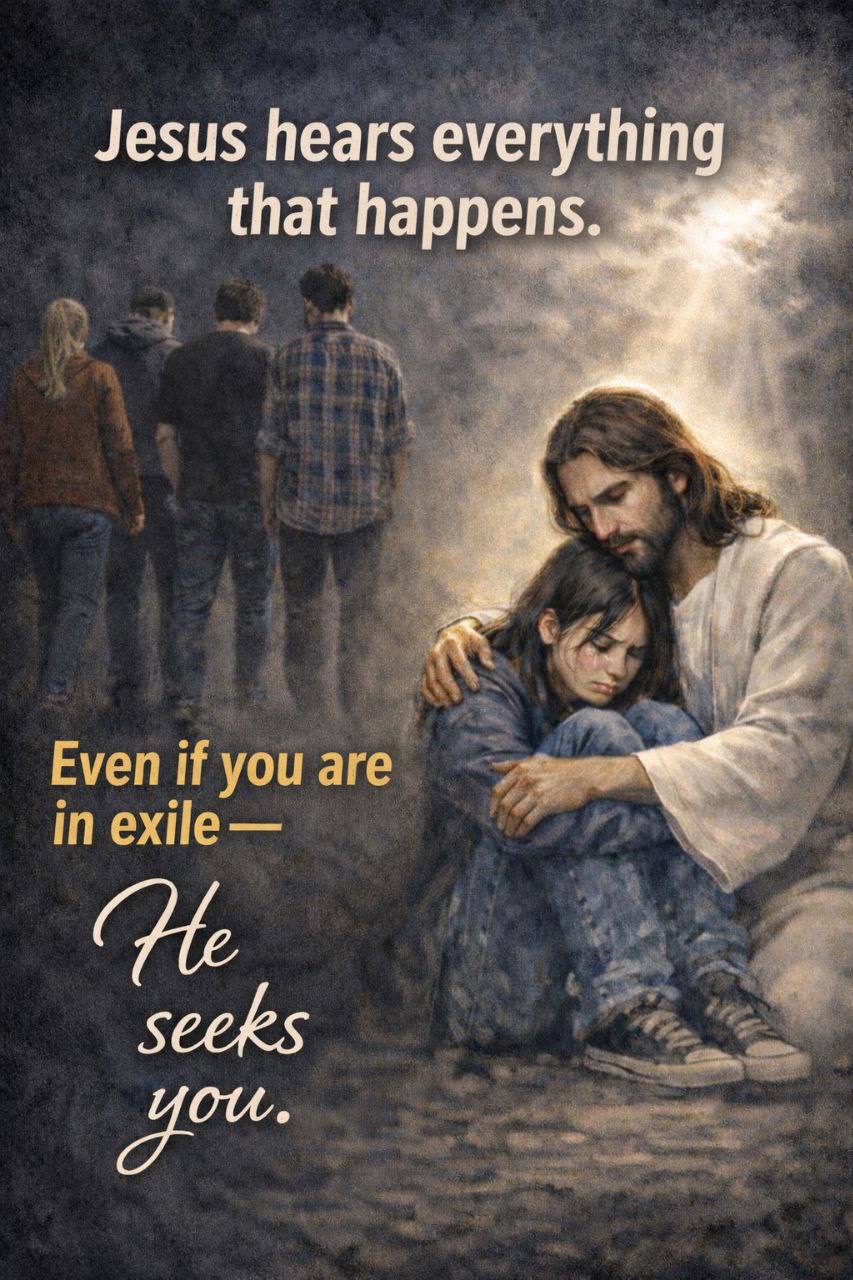
The story of the man who received sight does not end with the miracle. It truly begins at the moment when he was cast out. John emphasizes that Jesus heard what had happened and found him.
When the religious system closed its doors, Christ did not remain distant. He does not wait for a person to “come back.” Jesus comes to the very place where the person was pushed out.
Meeting God Outside the Synagogue
It is significant that this meeting takes place outside the synagogue. Inside were Scripture, tradition, and religious activity. But it is outside its walls that the man encounters the Son of God.
This episode clearly shows that repentance is not about attending a building, but about meeting Christ. The temple can be a blessing, but it does not replace the Person of Jesus.
Salvation Comes Only Through the Son of God
The key moment in this passage is the question of faith in Christ. When Jesus finds the man, He does not ask about religion, conflict with the Pharisees, or the pain of rejection. He asks the most important question: “Do you believe in the Son of God?” This question is decisive. By this point, the man:
• had already experienced a miracle,
• had spoken the truth,
• had paid the price and been cast out.
Yet none of this, by itself, equals salvation.
Salvation comes when a person recognizes who Jesus is and responds with personal faith:
“Lord, I believe.”
Jesus receives this confession and worship because He is the Son of God, not merely a Teacher or a Prophet. The passage makes it clear: neither miracles, nor religious experience, nor belonging to a community can save a person. Salvation is possible only through faith in the Son of God.
Faith Is Not Inherited
It is a great blessing when the faith of parents helps their children and becomes a foundation for them. But Scripture honestly shows that faith is not passed down automatically. Even good parents can fear or make mistakes, while children must make their own choices. At times, it is the child who proves to be closer to God than the adults around them.
The twentieth century provides a striking example. Madalyn Murray O’Hair, a well-known atheist activist in the United States, deliberately raised her son without belief in God. Yet her son, William (Bill) Murray, later in adulthood came to faith in Christ on his own and described this journey in his book My Life Without God.
This story is not meant to condemn parents. It reminds us of an important truth: God works with each person personally. The same is true in John 9 — the parents of the healed man were afraid and stepped back, but he himself went all the way and met Christ. Because faith is always a personal encounter, not a family tradition.
Jesus Comes Into Our Lives
John 9:35–38 reveals a simple and hopeful truth:
• Jesus hears when a person is rejected
• Jesus seeks those who are left alone
• Jesus reveals Himself personally
• Jesus leads people to saving faith
Sometimes Christ comes not when everything is organized and clear, but when a person has lost their footing. Because Jesus comes into our lives not as part of a system, but as the Living Savior, who seeks, finds, and saves.