99.John 9:39-41-Spiritual Blindness
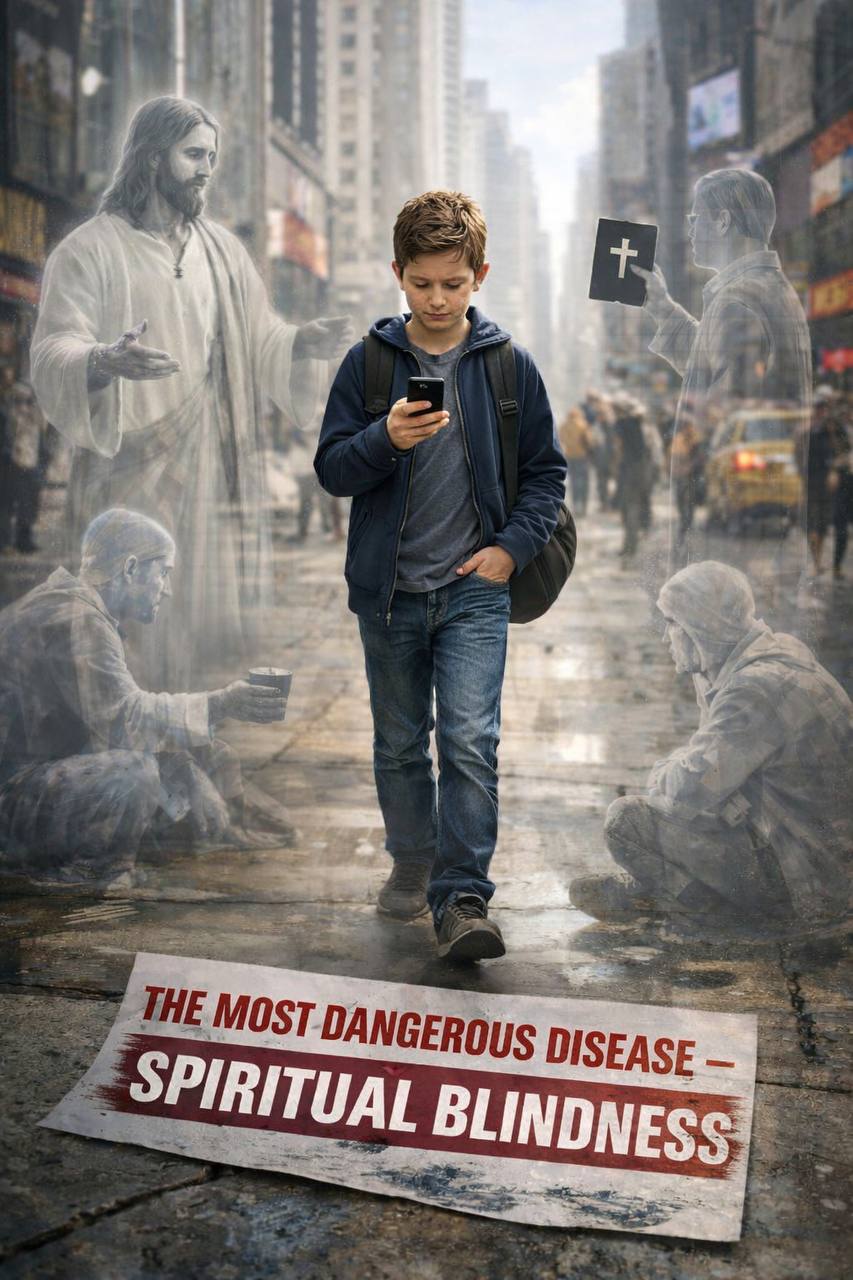
Spiritual Blindness
John 9:39–41
Biblical Text
39. And Jesus said, “For judgment I came into this world, that those who do not see may see, and that those who see may become blind.”
40. Some of the Pharisees who were with Him heard these things and said to Him, “Are we blind also?”
41. Jesus said to them, “If you were blind, you would have no guilt; but now that you say, ‘We see,’ your guilt remains.”
The Story of the Blind Man — Not Only About Physical Sight
John chapter 9 begins with a man who could not see with his eyes and ends with people who could not see with their hearts.
The man born blind acknowledges his need, obeys the word of Jesus, walks toward the light, and in the end worships Christ. The Pharisees are confident in themselves, defend tradition, argue with what is obvious, and ultimately lose Christ who is standing right in front of them.
A story about physical blindness ends with a diagnosis of spiritual blindness.
The Danger of Saying “We See”
The Pharisees ask a question:
“Are we blind also?”
This is not a search for truth, but self-defense. They are not asking for sight; they are protecting their sense of being right.
Jesus answers paradoxically:
“If you were blind, you would have no guilt…”
He is not excusing ignorance. He is showing that blindness which is acknowledged can be healed, but blindness which is denied becomes permanent. The problem is not the absence of light, but the refusal to admit the need for it.
The Paradox of Spiritual Blindness
The most dangerous thing about spiritual blindness is that it cannot see itself.
Whenever we talk about spiritually blind leaders or servants, an almost automatic thought appears: this is about someone else, not me. That is exactly how spiritual blindness works.
If I am convinced that spiritual blindness is always about others, I am already in a danger zone.
Ministry Does Not Guarantee Sight
John 9 clearly shows that it is possible to be religiously active, to know Scripture, to defend order—and still not see God.
Ministry is a gift, but it is not immunity. Activity can continue even when the heart is no longer open to the light.
Paul’s Warning
The apostle Paul expresses the same truth:
“Therefore let anyone who thinks that he stands take heed lest he fall.” (1 Corinthians 10:12)
Weakness is not the danger. Confidence in one’s own stability is. That confidence is what makes a person inattentive to their true spiritual condition.
A Prayer Against Spiritual Blindness
Therefore, the most mature biblical conclusion is not a confident statement, but a prayerful appeal to God:
“Search me, O God, and know my heart; test me and know my thoughts; and see if there be any grievous way in me, and lead me in the way everlasting.” (Psalm 139:23–24)
This is the posture of someone who understands: I may not see—and I need Your light.
Conclusion
Spiritual blindness does not begin with darkness, but with the confidence that we no longer need the light.
Therefore, the safest position for a Christian is not “I see,” but a simple and honest prayer:
“Lord, help me to see.”